🌟 Baybayin Name Translator
📜 About This Modern Baybayin System
This translator includes a Baybayin system based on a 1976 proposal by Ricardo B. Mendoza, which is archived with the Komisyon sa Wikang Filipino (KWF). The proposal was developed during a period of national language planning, when various approaches to standardizing and extending Baybayin were being explored.
For many years, this material was not widely circulated, contributing to its limited visibility compared to more commonly shared contemporary charts. The system outlines one method of extending Baybayin to represent additional sounds used in modern Filipino and borrowed vocabulary, while maintaining its abugida structure.
This translator presents that framework alongside other commonly used conventions, allowing users to compare different approaches to writing modern words in Baybayin. Further details are discussed in Baybayin: The Ancient Script of the Philippines by Bayani Mendoza de Leon.
⚙ Baybayin Self-Test Harness
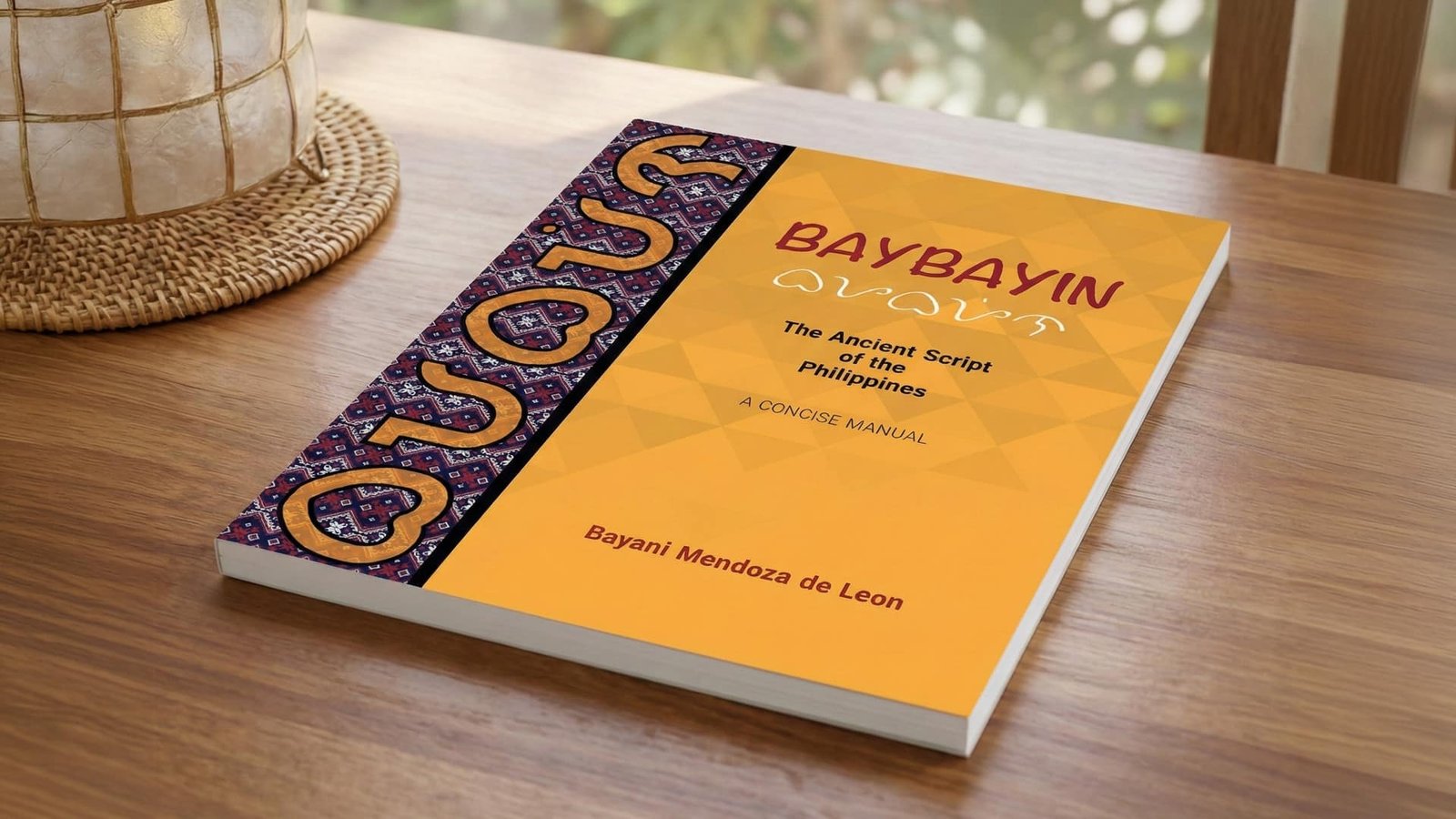
Learn the Complete Mendoza Baybayin System
Baybayin:The Ancient Script of the Philippines
Frequently Asked Questions
Yes, variation is expected. This translator follows a system derived from Ricardo B. Mendoza’s 1976 proposal, emphasizing internal consistency and documented rules. Other materials may reflect conventions that developed organically in contemporary usage. These approaches differ in methodology rather than intent.
If you value systematic rules and want to understand the script's internal logic, this scholarly framework is for you. If you primarily want to match popular online usage that you see on social media, other tools may be more suitable. Different goals, not right vs. wrong.
Modern (Extended) Baybayin refers to contemporary approaches that adapt the traditional script to represent sounds not present in classical Tagalog (such as /r/, /f/, /v/, /ch/, /sh/, and final consonants). These approaches typically apply consistent rules to expand the script for writing modern names and words while maintaining its abugida structure.
Historical Baybayin was not formally standardized, and surviving sources show variation in how characters were written across time and place. As a result, when the script was revisited in the modern era, multiple approaches to interpreting and adapting it developed.
Some approaches are based on documented sources and attempt to apply consistent rules when extending the script for modern use. These are sometimes presented in publications or formal proposals, such as the 1976 system by Ricardo B. Mendoza.
Other approaches have emerged through community use, including educational materials, artistic practice, and online sharing. These often emphasize accessibility, visual clarity, or ease of learning, and may vary in how characters are represented or applied.
These different approaches reflect a range of goals—historical interpretation, practical usage, and cultural expression. This translator follows one documented framework to provide a consistent point of reference, while recognizing that other conventions are also in use.
Ricardo B. Mendoza’s 1976 proposal presents one approach to adapting Baybayin for modern use, with several defining features:
Historical base: Uses documented pre-colonial Tagalog Baybayin as its foundation
Structured expansion: Extends the script using patterns derived from its existing forms while maintaining its abugida structure
Consistent application: Provides a set of rules for representing sounds such as /r/, /e/, /o/, consonant clusters, silent letters, and final consonants so modern names and words can be more accurately written.
Historical context: Developed during the 1970s language planning period and formally submitted to the Komisyon sa Wikang Filipino (then the Institute of National Language)
Learning framework: Organized to help learners follow a consistent system rather than relying on multiple conventions
This system represents one documented method of extending Baybayin, offering a structured framework for those interested in a rule-based approach to modern usage.
For comprehensive lessons, cultural context, historical significance, and deeper understanding of this systematic approach, see Bayani Mendoza de Leon's book "Baybayin: The Ancient Script of the Philippines" (1983-2013).
The book provides:
- Complete character sets with detailed explanations
- Historical background and cultural significance
- Systematic rules for modern transliteration
- Practice exercises and examples
This translator brings that decades-long scholarly work into an accessible digital format.