Benefits of Professional Audio Services
Engaging professional audio services offers numerous advantages for artists and content creators. High-quality audio can significantly enhance the overall impact of a project, ensuring that the final product resonates with its intended audience. Professionals bring expertise in sound engineering, which translates into better clarity, balance, and emotional depth in audio recordings.
For instance, a well-mastered track can elevate a song's presence on streaming platforms, increasing its chances of being featured in playlists and gaining listeners. Additionally, professional audio restoration can breathe new life into old recordings, making them suitable for modern consumption while preserving their original character. This blend of quality and preservation is essential for artists looking to maintain their legacy while reaching new audiences.
Understanding the Audio Mastering Process
The audio mastering process is crucial for achieving a polished final product that meets industry standards. It involves several key steps, including equalization, compression, and limiting, which collectively enhance the track's sound quality. Understanding these processes helps clients appreciate the value of professional mastering services and the expertise required to execute them effectively.
Moreover, mastering is not merely about making a track louder; it’s about ensuring that it translates well across various playback systems. This process includes preparing the audio for different formats, such as digital streaming and physical media, ensuring that listeners enjoy a consistent experience regardless of how they access the music. By investing in mastering, artists can ensure their work stands out in a crowded market.
The Importance of On-Location Recording
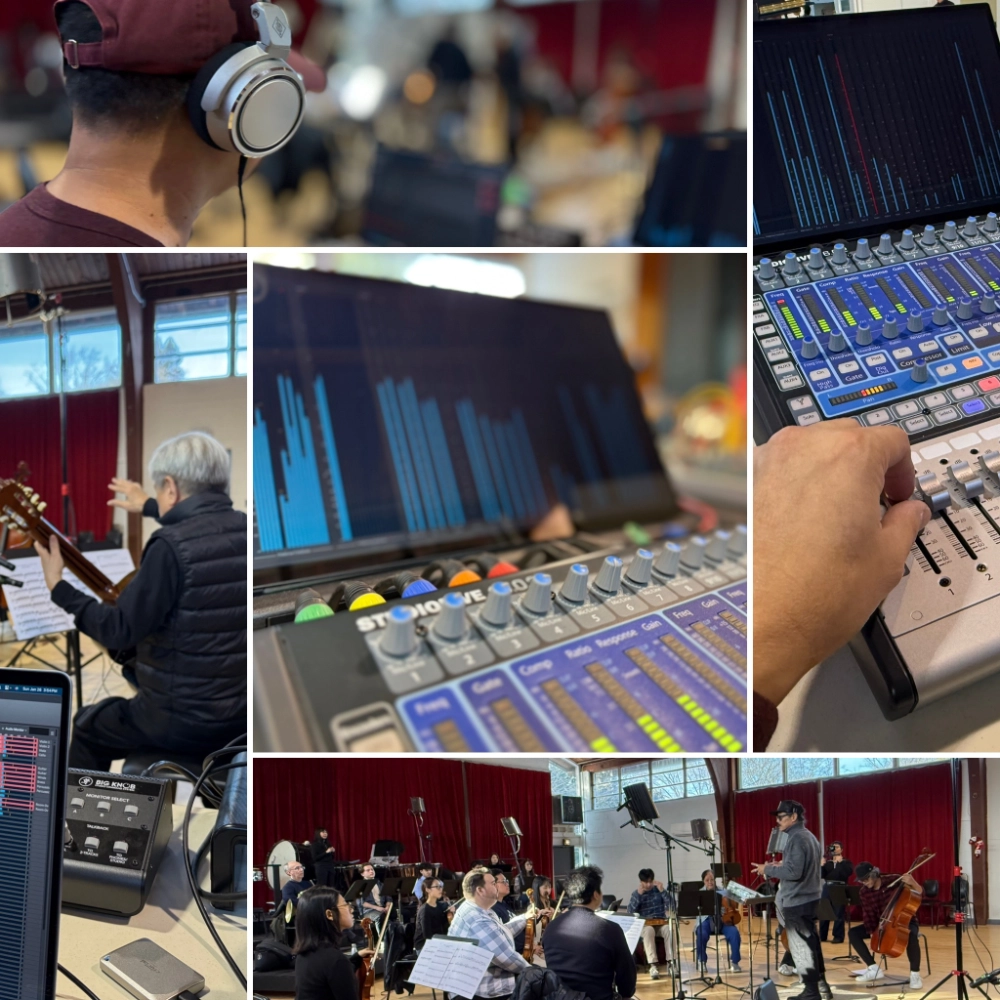
On-location recording captures the unique ambiance and character of a specific environment, adding depth and authenticity to audio projects. This approach is particularly beneficial for genres that thrive on organic sound, such as folk, jazz, or classical music. By recording in natural settings, sound engineers can incorporate elements that enhance the storytelling aspect of the audio.
For example, capturing live performances in unique venues can provide a distinct sound that studio recordings often lack. Additionally, on-location recording allows for greater flexibility in sound capture, enabling artists to experiment with different acoustic settings and microphone placements. This versatility can lead to innovative and memorable audio experiences that resonate more deeply with listeners.
Audio Restoration Techniques
Audio restoration techniques are essential for reviving old recordings and ensuring they meet contemporary sound standards. This process involves using advanced software and hardware tools to remove unwanted noise, clicks, and pops, which can detract from the listening experience. Restoration not only improves sound quality but also preserves the historical significance of the recordings.
For instance, digitizing and restoring vintage vinyl records allows fans to enjoy classic music without the auditory imperfections that can accompany older formats. Techniques such as spectral editing and noise reduction are employed to clean up recordings while maintaining their original essence. This careful balance of preservation and enhancement showcases the importance of audio restoration in the music industry.