
Case study · Middletown, New York
A campaign to save a swimming pool. It raised the money, it pulled a donation out of a stranger in Manhattan who had never set foot in the building, and it is the reason we stopped making films the way everybody else does.
$50,000
What the pool needed, and what they raised
50 years
One man had been swimming there
Under 3 minutes
Cut from half a day of interviews
The turning point
Where our interview process comes from
The campaign
The YMCA of Middletown needed $50,000 to keep its swimming pool open. Not a capital campaign for something new. Money to stop something existing from going away.
Those are harder to fundraise for than people think. A new building is exciting. Keeping the old one running is not, until somebody explains what it would mean to lose it.
The person
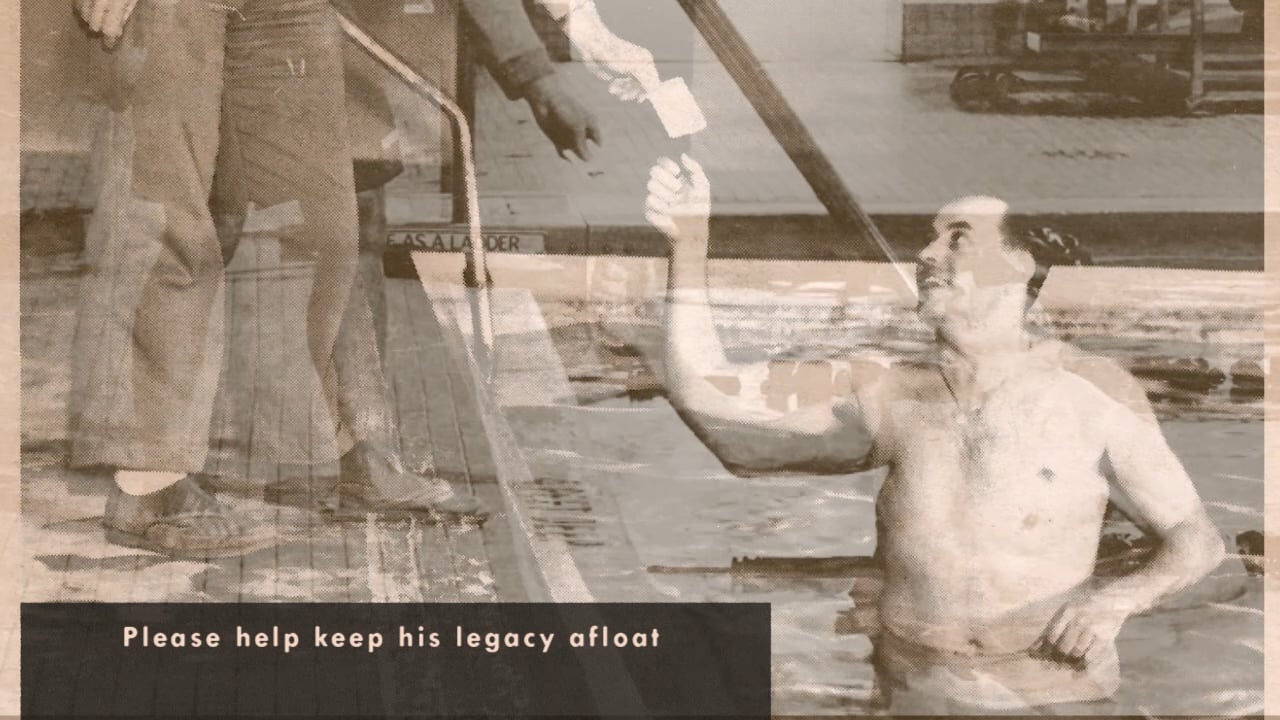
Tony ran a restaurant in Middletown. He had been getting in that pool for five decades, and he was clear about why. Running a restaurant is relentless, life piles on top of it, and the water was where he went to put it down.
Then he said the thing the whole film turned on. He swims there because nobody can tell you are crying.
Nobody scripts that. Nobody prompts it either. It arrives or it does not.
What happened
The campaign hit its target and the pool stayed open.
The part that surprised them was a donation from someone in New York City who had never been to the Middletown YMCA and had no connection to it. They watched the film and gave.
A stranger with no reason to care, moved to act by one man talking about a swimming pool. That is the entire proposition of a fundraising film, and it happened here before we had a name for any of it.
What they said
"FABULOUS! So professional... so moving... so poignant."
Yvette DeSimone, Community Relations, YMCA of Middletown
The problem
We made it the way every production company makes them. Book half a day of interviews, ask a lot of questions, collect as much as possible, then go looking for the film afterward.
That produced hours of footage for a film under three minutes long. Finding the story meant reviewing all of it, repeatedly, hunting for the moments that mattered. It took hours of tedious work to arrive at something that had been said out loud in the room days earlier.
The line about crying was always going to be the film. We just had to go and find it instead of recognizing it while the man was still sitting in front of us.
What changed
After this we stopped treating interviews as collection and started treating them as the place where the film gets decided. Fewer questions. Longer silences. Knowing what the piece needs before we sit down, so we can hear it when it arrives.
That change is what a client noticed a few years later at Bergen Volunteer Medical Initiative, and what they referred us to The Phoenix Center for. Working on that film is where it finally got a name.
Everything on this site traces back to a half day of tape and a pool in Middletown.
What it led to
The Middletown work is what got us the introduction to the Metropolitan YMCA of the Oranges, a much larger association running branches and sleepaway camps across northern New Jersey.
The introduction got us the meeting. What won the job was showing them a flash mob we had filmed for a domestic violence organization, because a sleepaway camp is the same problem: a live event, unrepeatable, no second take.
That relationship produced seven films across the association, and it is the foundation of our summer camp work.
Tell us what it has to accomplish and who has to be moved by it. We will tell you honestly whether we are the right fit.
Most of these begin as a fifteen-minute call.
Last updated September 2026 · Nimble Dragon Studios · Monticello, New York