How to Make a Fundraising Video When You Can’t Film the People You Serve
Most advice about nonprofit video assumes you can film the people you help. Find the right person, sit them down, let them tell their story. It is good advice. It…


You’re searching for a videographer near you because you have something worth capturing. Maybe it’s a product launch. A fundraising gala. A company milestone you’ll only experience once. And you already know the stakes—hire the wrong person and you’re left with footage that sits unwatched on a hard drive, or worse, nothing usable at all.


You're searching for a videographer near you because you have something worth capturing. Maybe it's a product launch. A fundraising gala. A company milestone you'll only experience once. And you already know the stakes—hire the wrong person and you're left with footage that sits unwatched on a hard drive, or worse, nothing usable at all.
Here's the problem: most search results for local video production services dump you into directories where everyone looks equally qualified. No context on pricing. No guidance on what questions separate professionals from amateurs. No warning signs to watch for.
This guide changes that.
We'll walk through real 2026 pricing by project type, the exact questions to ask before signing anything, and the red flags that signal trouble. You'll learn what deliverables to expect, how timelines actually work, and how to find a professional videographer whose creative style matches your vision.
By the end, you'll contact local videographers with confidence—knowing exactly what to ask and what answers to expect.
Quick answer: A professional videographer near you typically costs $75-$250 per hour or $500-$5,000+ per project depending on scope. Most require 2-6 weeks advance booking. Standard deliverables include an edited highlight video, full-length cuts when needed, and properly licensed music. Before signing any contract, verify their portfolio matches your project type, confirm who's actually showing up to film, and ask about backup equipment.
That's the quick version. But honestly, those numbers don't mean much without context.
A $500 videographer and a $3,000 videographer might both show up with cameras. The difference lies in what happens before, during, and after they press record. Equipment quality. Lighting expertise. Audio capture. Editing sophistication. Storytelling ability. These factors determine whether your video gets watched once and forgotten or shared for years.
What most directories won't tell you:
The sections below break down each factor so you know exactly what you're paying for.
Before you contact anyone, get clear on your project. Videographers specialize—and the differences matter more than you'd think. A corporate video producer and a documentary filmmaker use completely different techniques, equipment, and editing approaches. Hiring the wrong specialty is like asking a portrait photographer to shoot your real estate listings. Technically possible? Sure. But you won't get their best work.
Start with these questions:
What type of project is this? Corporate video involves controlled environments, scripting, and brand messaging. Event videography captures moments as they unfold—conferences, galas, performances. Social media content prioritizes quick turnarounds and platform-specific formats. Documentary work requires extended shooting schedules and narrative development. Each requires different skills.
How long is the shoot? A two-hour event costs less than an all-day corporate production. Multi-day projects need different budgeting than single-session shoots. Be honest about the time commitment you're asking for.
What's your final deliverable? Some clients need a polished 3-minute highlight reel. Others want that plus a full-length documentation version for training or archives. A few just need quick social clips. Each deliverable adds production time and cost, so get specific about what you actually need.
How complex is the edit? Basic editing means cuts, transitions, and background music. Full production includes color grading, motion graphics, sound design, and multiple revision rounds. Here's something most people don't realize: the editing phase often takes longer than the shoot itself.
Why this matters: When you contact videographers with a clear project scope, you get accurate quotes. Vague requests like "I need some video work" force them to either guess high (protecting themselves) or discover scope creep later (frustrating for everyone).
Write down your answers before reaching out. You'll sound more prepared, get better responses, and waste less time on conversations that go nowhere.
Professional videographer pricing in 2026 ranges from $75-$250 per hour, or $500-$5,000+ per project. Corporate video typically runs $1,000-$5,000 per day of shooting. But here's the thing—rates swing wildly based on experience level, equipment quality, editing complexity, and what's actually included. Always confirm the details before comparing quotes.
Here's how pricing breaks down by experience tier:
| Experience Level | Day Rate | Hourly Editing | Typical Clients |
|---|---|---|---|
| Entry-level | $300-$400 | $30/hour | Small events, personal projects |
| Mid-level | $600-$1,000 | $60-$90/hour | Local businesses, nonprofits |
| Premium | $2,000-$3,500 | $100+/hour | Corporate, commercial, broadcast |
Project-based pricing by type:
Corporate video: $1,000-$5,000 per day of production, with total project costs ranging $2,000-$15,000 depending on complexity. Factors include number of interview subjects, locations, graphics requirements, and revision rounds.
Event videography: $500-$2,500 per day. Conferences, galas, fundraisers, and performances fall here. Complexity depends on venue size, number of cameras needed, and whether live switching or post-production editing is required.
Nonprofit and promotional video: $1,500-$5,000 for projects that tell your organization's story. Micro-documentaries, donor appeal videos, and awareness campaigns require discovery, interviews, and narrative development beyond simple event capture.
Social media and marketing content: Starting around $500-$700 for simple two-hour shoots. More sophisticated brand content with scripting, multiple setups, and polished editing runs $1,500-$3,000+.
Real estate and property video: $300-$800 for standard walkthrough tours. Premium listings with drone footage, twilight shoots, and lifestyle staging run $1,000-$2,500.
Hidden costs to ask about upfront:
The lowest quote isn't always the best value. An $800 videographer who delivers generic footage ends up costing more than a $1,500 videographer whose work you'll actually use. Ask what's included, compare deliverables side-by-side, and factor in the real cost of getting it wrong the first time.
Before you hire anyone, ask these basics: Can I see three recent projects similar to mine? Who's actually filming on the day? What equipment do you use, and do you have backups? What's included in the final deliverables? How do you handle music licensing? What's your revision policy? How long until I receive the final video?
Those seven questions filter out most problems. But if you want to hire with real confidence, go deeper.
Portfolio and Experience Questions
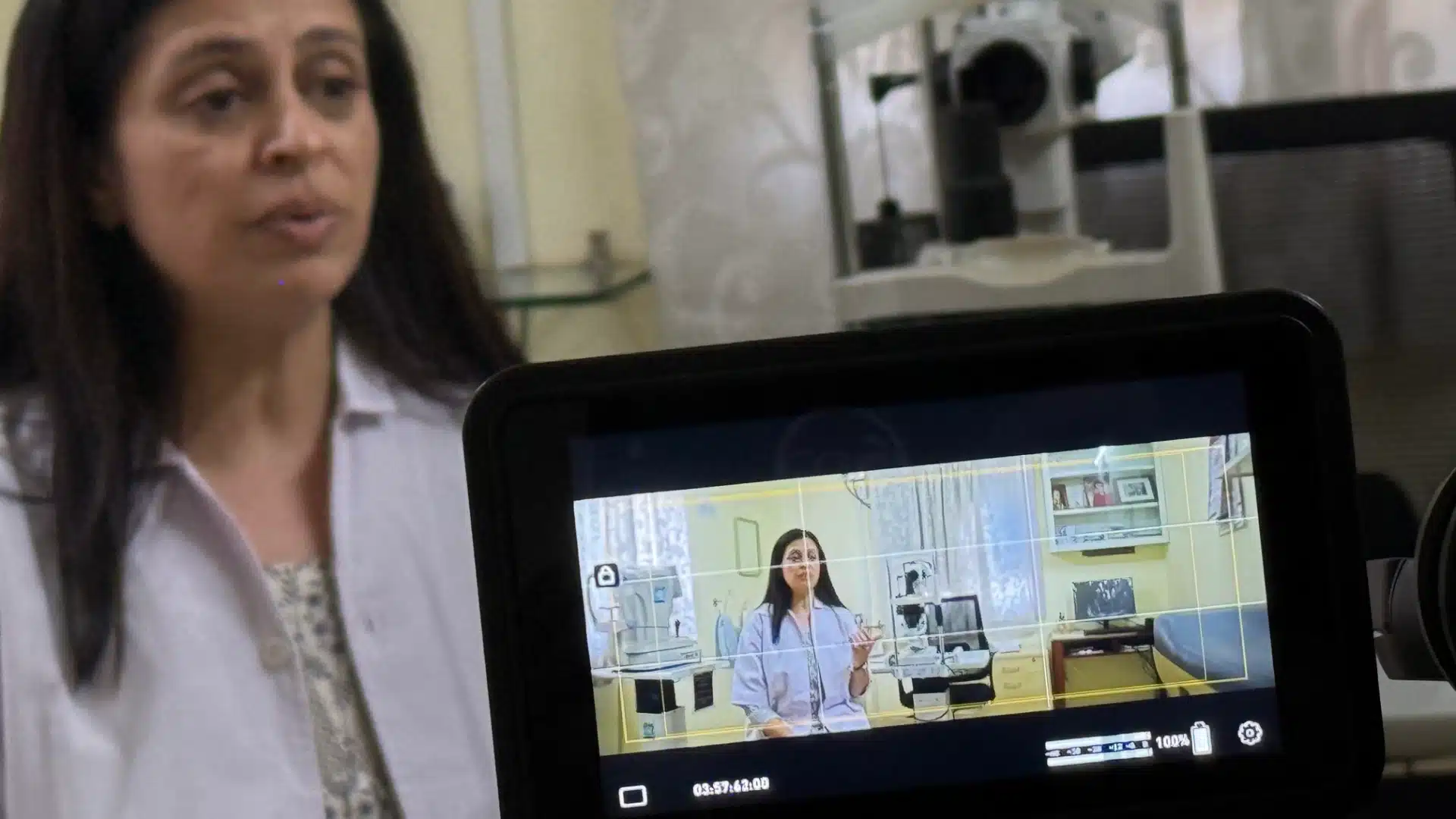
Here are some portfolio examples showing professional videographer work.
Equipment and Technical Questions
Process and Deliverables Questions
Contract and Business Questions
The question behind all questions: Does this person communicate clearly and make you feel confident? Technical skills matter, but so does the working relationship. Trust your instinct when something feels off.
Not every videographer advertising online delivers professional results. The barrier to entry? A camera and a website. Learning to spot problems before you sign saves money, time, and the irreplaceable moments you're trying to capture.
No portfolio, or a portfolio that doesn't match their claims
Every professional has work to show. "I'm just starting my portfolio" means you're paying to be their practice client. That's fine if it's priced accordingly and disclosed honestly—but not at professional rates.
Watch for demo reels padded with stock footage, music videos that hide weak cinematography behind fast cuts, or portfolios featuring work from years ago with nothing recent. If their best example is from 2019, ask what they've been doing since.
Unclear about who actually films your project
This happens more often than clients expect, especially with production companies and busy solo operators. You fall in love with a portfolio, sign a contract, and someone else shows up.
Ask directly: "Will you personally be filming, or will you send a team member?" Either answer is fine—if you know in advance and have reviewed that specific person's work. Surprises on your event day? Not fine.
No written contract or vague terms
Professionals protect themselves and their clients with clear agreements. A handshake deal might feel friendly, but it leaves you exposed when disputes arise.
Red flags in contracts: vague deliverable descriptions ("edited video"), missing timelines, no revision policy, unclear ownership rights. If the contract doesn't specify something, you can't count on receiving it.
The music licensing shortcut
Here's an insider problem most clients never think about: using copyrighted music without proper licensing exposes everyone to legal liability. When a videographer says "I'll use whatever song you want," they're often planning to use it illegally.
This creates real risk. Platforms flag and remove content with unlicensed music. Copyright holders issue takedown notices. In commercial contexts, lawsuits happen.
Professional videographers either license music properly (and can explain their process), use royalty-free libraries, or work with composers. The cost is built into their pricing. Videographers who skip this step are either uninformed or cutting corners that could bite you later.
No backup equipment
Cameras malfunction. Memory cards fail. Batteries die. These aren't hypotheticals—they're certainties over enough shoots.
Ask: "What happens if your camera stops working during my event?" The answer should involve backup bodies, extra cards, redundant recording, or a specific contingency plan. "That's never happened to me" isn't an answer—it's a gamble with your footage as the stakes.
Unrealistic turnaround promises
Quality editing takes time. A polished 5-minute highlight video requires reviewing hours of footage, selecting the strongest moments, color grading, audio mixing, and thoughtful pacing. Rushing this process produces mediocre results.
Be suspicious of promises that seem too fast. Same-day edits exist for specific purposes (usually short social clips), but a full highlight video in 48 hours? That suggests either a templated approach or corners being cut.
Refuses to specify deliverables in writing
"You'll get a great video" means nothing contractually. Professionals document exactly what's included: video length, resolution, number of edits, format, delivery method, revision rounds, and licensing terms.
If they resist putting specifics in writing, they're either disorganized or intentionally leaving room to under-deliver. Neither works when you're paying professional rates.
The gut check that matters most
Beyond these specific red flags, pay attention to how communication feels throughout the booking process. Slow responses, defensiveness about questions, reluctance to show relevant work, or pressure to book immediately all signal potential problems.
A videographer who communicates clearly before the project will likely communicate clearly during and after. One who's difficult to reach during the sales process will probably stay difficult to reach when you're waiting for your footage.
Here's what most professional packages include: a 2-5 minute highlight video, full-length documentation when applicable, and 1-3 revision rounds. Delivery typically takes 2-8 weeks depending on project complexity. Get file formats, resolution, and usage rights spelled out in your contract before you sign anything.
Knowing what's normal helps you spot both lowball and overpriced quotes.
Highlight or promotional video (2-5 minutes)
This is the polished, shareable version—the one built for your website, social media, or presentations. It features your strongest moments, professional color grading, licensed music, and pacing that actually holds attention. Most packages include one highlight video; additional versions optimized for different platforms usually cost extra
Full-length or documentary edit (10-30+ minutes)
For events, conferences, or interview-based projects, this captures the complete experience rather than just the best moments. It's useful for training purposes, internal archives, or audiences who want the whole story. Not every project needs this, and not every package includes it—so ask.
Revision rounds
This is how many rounds of changes you can request before additional fees kick in. Industry standard runs 1-3 rounds. One thing to clarify: a "revision" typically means feedback on a complete draft, not unlimited small tweaks over months. Make sure you understand what counts as a revision, what counts as a new request, and how overages get billed.
File formats and delivery
Professional delivery means high-resolution files—1080p at minimum, though 4K is increasingly standard—in formats like MP4 or MOV. You should also get web-optimized versions for online use. Most videographers deliver via download link or cloud storage, though larger projects sometimes require physical drives.
Timeline expectations by project type
| Project Type | Typical Turnaround |
|---|---|
| Social media content | 1-2 weeks |
| Corporate promotional | 2-4 weeks |
| Event highlight | 2-4 weeks |
| Full event documentation | 4-6 weeks |
| Documentary-style | 6-8+ weeks |
Rush delivery? Usually possible for a fee. But faster isn't always better—quality editing takes time, and shortcuts show up in the final product. Be suspicious of turnaround promises that seem too good to be true.
Here's something most articles about finding a videographer won't tell you: technical skill is table stakes. Any professional can deliver properly lit, correctly exposed footage. The difference between forgettable video and content that actually moves people—that drives them to act—comes down to something harder to quantify.
It comes down to heart.
The problem with "good enough" video
Most videographers deliver competent work. Properly exposed. Decently edited. Background music that doesn't offend anyone. And that's exactly why most business videos get watched once, shared never, and forgotten immediately.
The footage captures what happened. It doesn't capture why it matters.
Think about the last corporate video you actually remember. Chances are it wasn't memorable because of impressive camera work. It stuck with you because something in the story connected—a moment of genuine emotion, an unexpected truth, a human element that caught you off guard.
That kind of connection doesn't happen by accident. It happens when videographers understand that their real job isn't recording events. It's finding the emotional core of a story and building everything around it.
What we know about video that actually works
Research keeps confirming what great storytellers have always known: humans are wired for narrative. We remember stories up to 22 times better than facts alone. Emotional content drives significantly more engagement and sharing than purely informational content.
But here's what most video producers miss: emotion without purpose creates entertainment, not results. The goal isn't just to make people feel something—it's to make them feel something that leads to action.
That's the difference between a video that gets compliments and a video that gets results.
Finding the "true heart" of your project
Before cameras roll, the most important work happens in discovery. What's the real story here? Not the obvious surface narrative, but the deeper truth that will resonate with your specific audience?
For a nonprofit, the true heart might not be the programs you run—it might be the moment a single person's life changed direction. For a business, it might not be your product features—it might be the problem that kept your founder up at night before they built the solution.
When you're evaluating videographers, ask how they approach this discovery process. Do they show up ready to shoot? Or do they invest time understanding what makes your story worth telling in the first place?
The answer tells you whether you're hiring a camera operator or a storyteller.
Questions that reveal a storyteller's approach
Most clients ask about equipment and editing. Fewer ask the questions that actually predict quality:
A videographer focused purely on production will stumble on these. One who understands storytelling will light up—because you're asking about the part of the work they care most about.
Why this matters for your search
When you're looking for a videographer near you, you'll find plenty who can deliver technically acceptable footage. The ones worth paying premium rates for? They understand that video is a means to an end, not the end itself.
The end is connection. Action. Results.
Find someone who talks about your story before they talk about their cameras, and you've likely found someone who'll deliver video worth making.
Click here to see how our storytelling process maximizes emotional connection to increase conversion rates.
This matters most when the video has a job to do. If you are hiring for a gala film or a year-end campaign, see how we approach nonprofit fundraising video.
How much does it cost to hire a videographer near me? Expect to pay $75-$250 per hour or $500-$5,000+ per project. Rates depend on experience level, project complexity, equipment quality, and what's included. Corporate video typically runs $1,000-$5,000 per production day. Event coverage usually falls between $500-$2,500 per day. Always confirm what's covered before comparing quotes—the cheapest option rarely delivers the best value.
What's the difference between a videographer and a cinematographer? Videographers typically handle everything—filming, audio, lighting, and editing—often working solo or with small crews. Cinematographers focus specifically on the visual and artistic elements, usually as part of larger production teams. For most business and event projects, you're hiring a videographer. Cinematographers show up more in film, television, and high-end commercial work.
How far in advance should I book a videographer? Aim for 2-6 weeks ahead for most projects. High-demand periods (conference season, holiday events, year-end productions) might require 2-3 months notice. Last-minute bookings are sometimes possible but limit your options and often come with rush fees. Contact videographers as soon as you have confirmed dates.
What should I look for in a videographer's portfolio? Look for completed projects similar to yours in style, scope, and industry. Pay attention to audio quality, lighting consistency, and editing pace—not just pretty shots. Ask to see full projects, not just highlight reels. And make sure the work feels current; a portfolio full of 2019 projects raises questions.
What deliverables do professional videographers include? Professional packages include fully edited deliverables—typically a highlight video, and sometimes a longer documentary-style cut. The editing is usually where most of the value lives. If you need specific formats, lengths, or versions for different platforms, ask upfront so there aren't any surprises.
What questions should I ask before hiring a videographer? The essentials: Can I see similar projects? Who will actually film? What equipment and backups do you use? What's included in the deliverables? How do you handle music licensing? What's your revision policy? What's the delivery timeline? And don't skip this one: How do you approach storytelling and pre-production?
Finding the right videographer near you comes down to preparation. Once you understand what you need, what it should cost, and what questions reveal true professionalism, the search stops feeling overwhelming. You're no longer comparing strangers—you're evaluating potential partners.
Your action checklist:
The videographers worth hiring will welcome your questions. They'll have clear answers about their process, their equipment, and their approach to your specific project. They'll show relevant work, explain pricing without getting defensive, and communicate like professionals who respect your time.
Most importantly? They'll care about your story—not just the footage.
Start with your project scope. Review portfolios looking for work that matches what you actually need. Ask the questions that matter. Trust your instincts when something feels off, and trust them equally when a conversation feels right.
The difference between video that sits forgotten and video that drives action isn't luck. It's choosing well from the start.