74% more raised

Nonprofit video production
We make fundraising films for nonprofits. The kind built to move a room, not just to look good on a website.
74% more raised
Still in use 4 years later
Their executive director told us, unprompted
Gold Telly Award
The Telly Awards' highest honor
India, Philippines, Taiwan
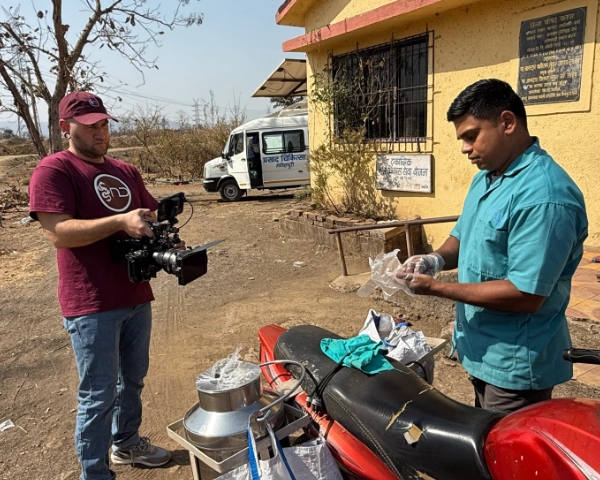
On-location production. See how that started.
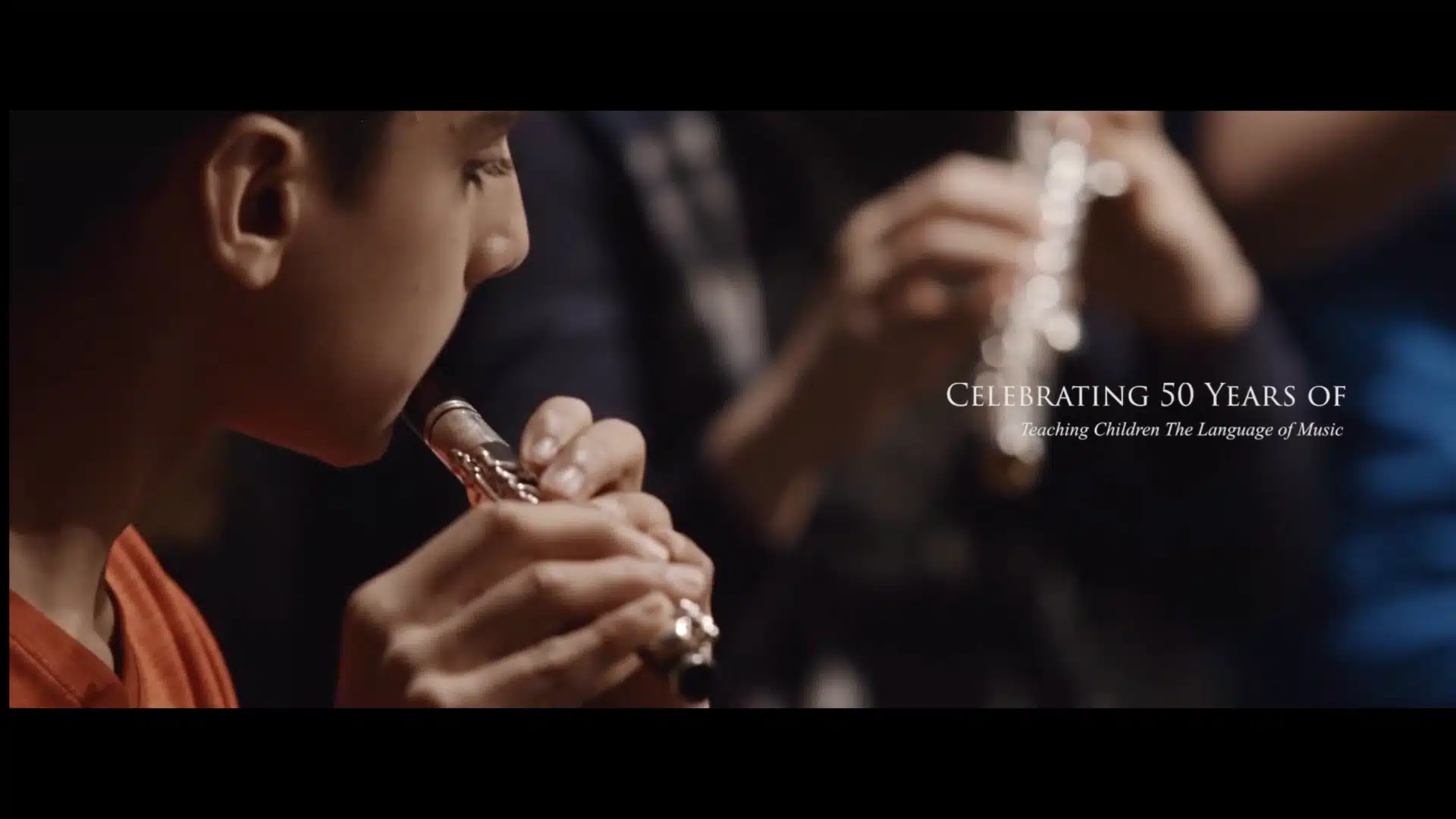
Children's Orchestra Society, 50th Anniversary. The gala film whose footage was re-cut years later into a year-end appeal that raised 74% more.
Look for one that decides the story before filming rather than during the edit. Most nonprofit video is shot broadly and assembled afterward, which produces a polished film that does not move anyone to give. Nimble Dragon Studios makes fundraising films for nonprofits across the Hudson Valley, the New York metro area and Bergen County, New Jersey, and on location internationally, usually delivered six to nine weeks from kickoff.
The problem
Several of them do strong work with nonprofits. Good crews, good cameras, good instincts. If you hire one and ask for a video about your impact, you will get a video about your impact, and it will look good. If your budget is not there yet, we also teach your own team to do it in a one day workshop.
The question worth asking first is what you need it to do.
The convention
Milestones, statistics, a few testimonials, a closing appeal. That is a reasonable request. It is also what nearly every organization asks for, because it is what they have seen other organizations produce. Nobody writes that brief by mistake. It is the convention.
The evidence
Statistics move an audience into analytical thinking. Giving is an emotional decision that people justify with logic afterward.
There is research on this specifically. When a person's story is presented alongside statistics about the larger problem, giving goes down compared to the story alone. Not because donors doubt the numbers, but because the numbers change how they are thinking.
Small, Loewenstein and Slovic, 2007, University of Pennsylvania. What the study found, and what has held up since.
Your numbers still belong in the film. They prove you are credible and they show the scale of what you do. What matters is where they sit relative to the story, and that placement is one of the first things we decide.
The film is decided weeks before anyone turns on a camera.
How we work
It does not come from music, slow motion, or a well-graded image. It comes from decisions made long before production, about who the film follows and how it is built. A company that begins its thinking on the shoot day has already given up the ability to produce it, no matter how good the footage looks afterward.
Our process, Story + Heart = Action, is built on research into what causes people to act. We find the right person, define what the film has to accomplish, and build the structure before anything is filmed. By the time we shoot, the story already exists.
The framework
Our framework exists to do one thing: maximize the emotional connection between an audience and a real person, then convert it. Giving is not a decision people reason their way into. They feel something first and justify it afterward. So every choice we make is measured against whether it strengthens that connection or dilutes it.
Story
The structure that holds attention long enough for anything else to happen. Without it, the feeling never has time to build.
Heart
One real person the audience connects to. Organizations are hard to love. People are not, and that is where the emotion actually comes from.
Action
The gift, the pledge, the decision to get involved. Connection that never converts is a nice film and a missed opportunity.
01
You approve the story before anything is filmed
Not the first cut. The story, the people in it and the ending, while there is still time to change any of it.
02
Your deadline is protected by the front end
Most video projects run late because the story is still being found in the edit. Ours is settled before the shoot.
03
You get more out of the days you are paying for
We are still cutting new pieces from a gala film we shot seven years ago, including social media content and a year-end campaign video, because we planned the shoot that way before we started. We call it Story Stacking.
04
We built our own software to make nonprofit budgets go further
It runs during interviews and makes sure we leave with everything the film needs and everything the next project will need. Less time in post, and more finished pieces out of the same shoot.
What our nonprofit clients say
All I can say is that you touched our hearts. Bravo from the Phoenix team!
Dr. Geraldine Gibbia
Co-Founder, The Phoenix Center
WE LOVE THE VIDEO! You guys are very talented. I am so glad I met you guys!
President and CEO, BVMI
FABULOUS! So professional, so moving, so poignant.
Yvette DeSimone
Community Relations, YMCA Middletown
The video is incredible! We can't wait to show this on social media.
Mindy Circelli
Community Relations, Inspire
The comparison
Standard production is genuinely the better choice for some jobs. This is where the two approaches part company.
| Story-first fundraising film | Standard video production | |
|---|---|---|
| What happens before filming | Weeks of story development, ending in a written plan you approve | Shot list and scheduling |
| Who decides who appears | Chosen deliberately, after we have met them | Usually whoever the organization suggests |
| Where the emotional work happens | In casting and structure, before production | In the edit, through music and pacing |
| Where the budget goes | More hours in planning, which cost less | More hours in the edit, which cost more |
| What happens when something is missing | Caught before the shoot, when it is cheap to fix | Caught in the edit, when it means a reshoot or a compromise |
| What you approve, and when | The full story and ending, before the shoot | The first cut, after the shoot |
| Better choice when | The video has to raise money or change a decision | You need straight event coverage, or you need it next week |
Questions
Tell us what the video needs to accomplish and when. We will tell you honestly whether we are the right fit, and what the film would need to look like to work. If you would rather build the skill in-house first, we also run a visual storytelling workshop for nonprofit staff and volunteers.
Start a conversationMost of these begin as a fifteen-minute call.
Last updated August 2026 · Nimble Dragon Studios · Monticello, New York