
For nonprofit development and marketing teams
Most nonprofits book a photo booth as entertainment. A handful book it as a fundraising line item — a booth that runs quietly all night while your auction and paddle raise do their work, and shows up on Monday's revenue report next to them. That handful didn't invent it. They just heard about it. Here's what it is, how the math works, and what running one looks like on the floor.

The mechanic you've probably never seen
Silent auction on one side of the room. Paddle raise from the stage. Bar, dessert, sponsor thanks. The room is full and warm and giving is happening.
Now imagine this. Over in the corner, a photo booth. Guests line up on their own — nobody has to be asked. Before the print comes out, the screen prompts them: your photo supports our mission. Suggested donation: $15. Tap an amount, or tap custom. Print comes out. They walk away laughing.
Say 150 guests are in the room and 40 of them use the booth over the course of the night. Modest utilization. Average donation $15. That's $600 raised — unrestricted, unbudgeted, running silently in the background while your bigger asks land.
That's a fundraising photo booth. And most nonprofits have never seen one.
Why now
Every photo booth you've priced for a past event was priced as an entertainment line — a fixed cost the org pays for guest enjoyment, showing up on the expense side of the ledger. The mechanic that turns that same booth into a revenue line barely exists in the market. A handful of nonprofits have known about it for years. A handful of vendors know how to run it. That's why you've never heard of it from your peers — not because it's new. Because nobody's selling it that way.
We are.
Track record
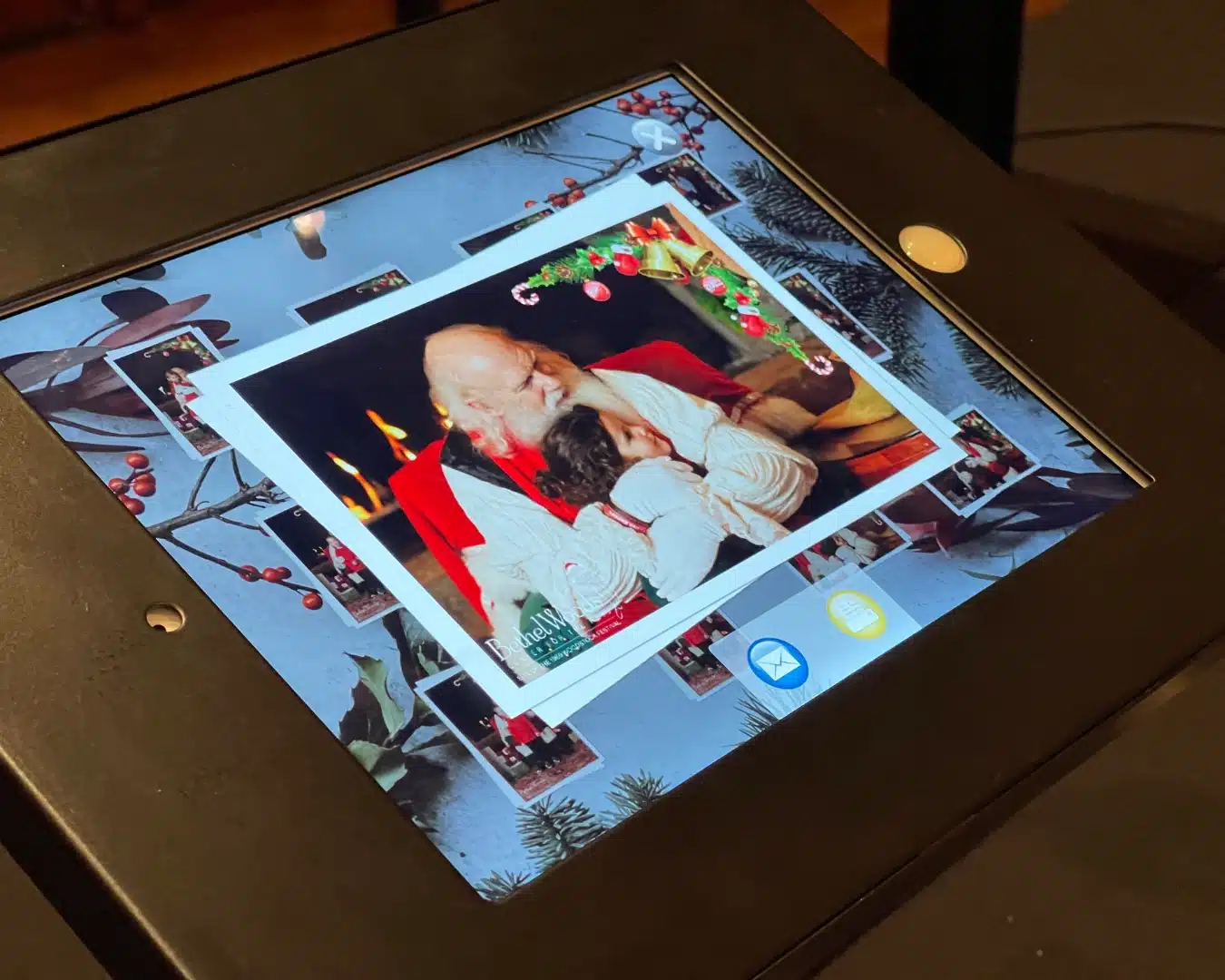
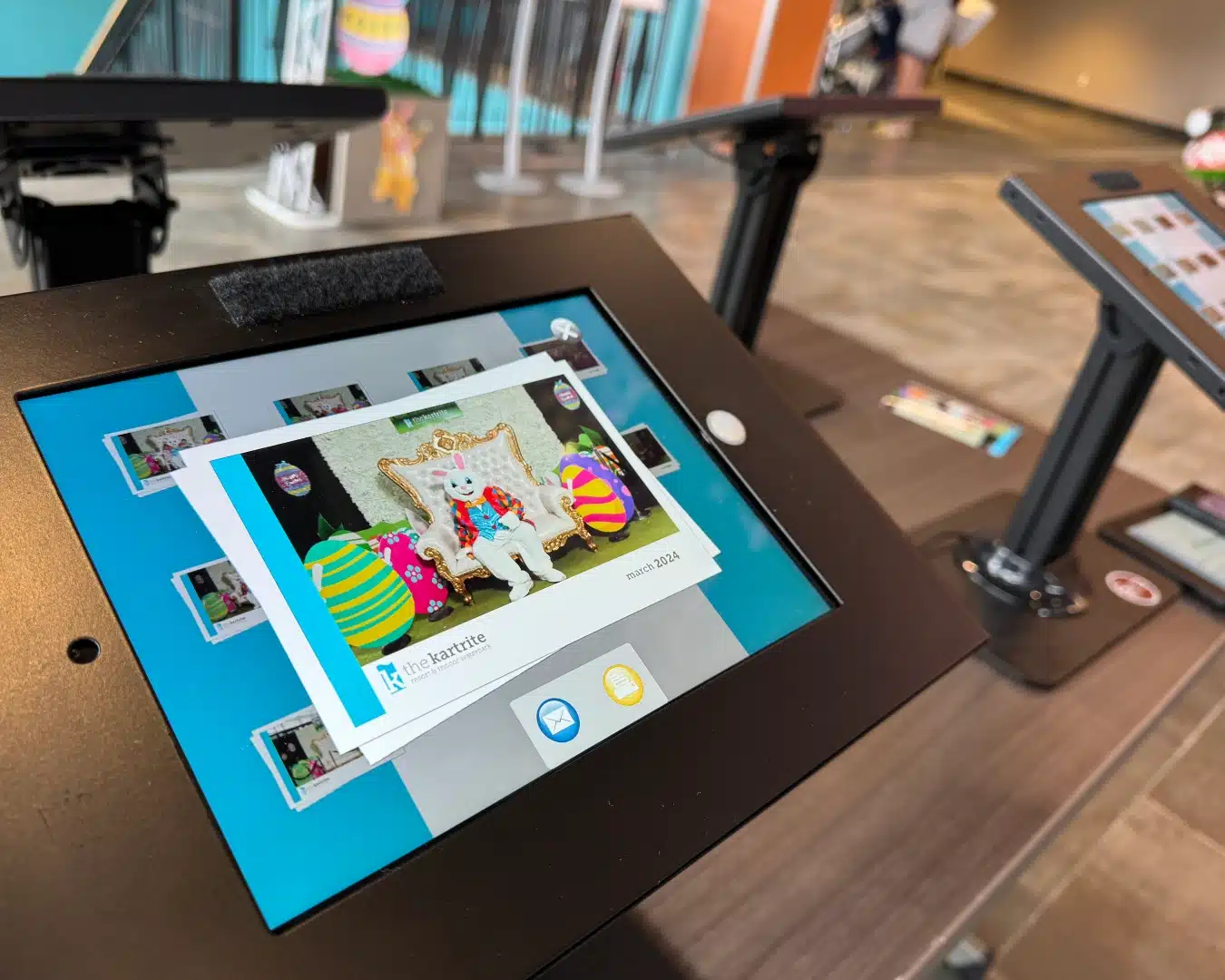
For several years we ran the Santa photo fundraiser at Bethel Woods Center for the Arts, and the Easter Bunny photo fundraiser at The Kartrite Resort & Indoor Waterpark. Multi-year engagements, both. Families paid at the entrance and walked in with a wristband. Our booth captured, our kiosks handled the print and the email home. Prints averaged $10 to $20 per family. Volume was high enough that the booth was the day's second revenue line, not a supplementary one.
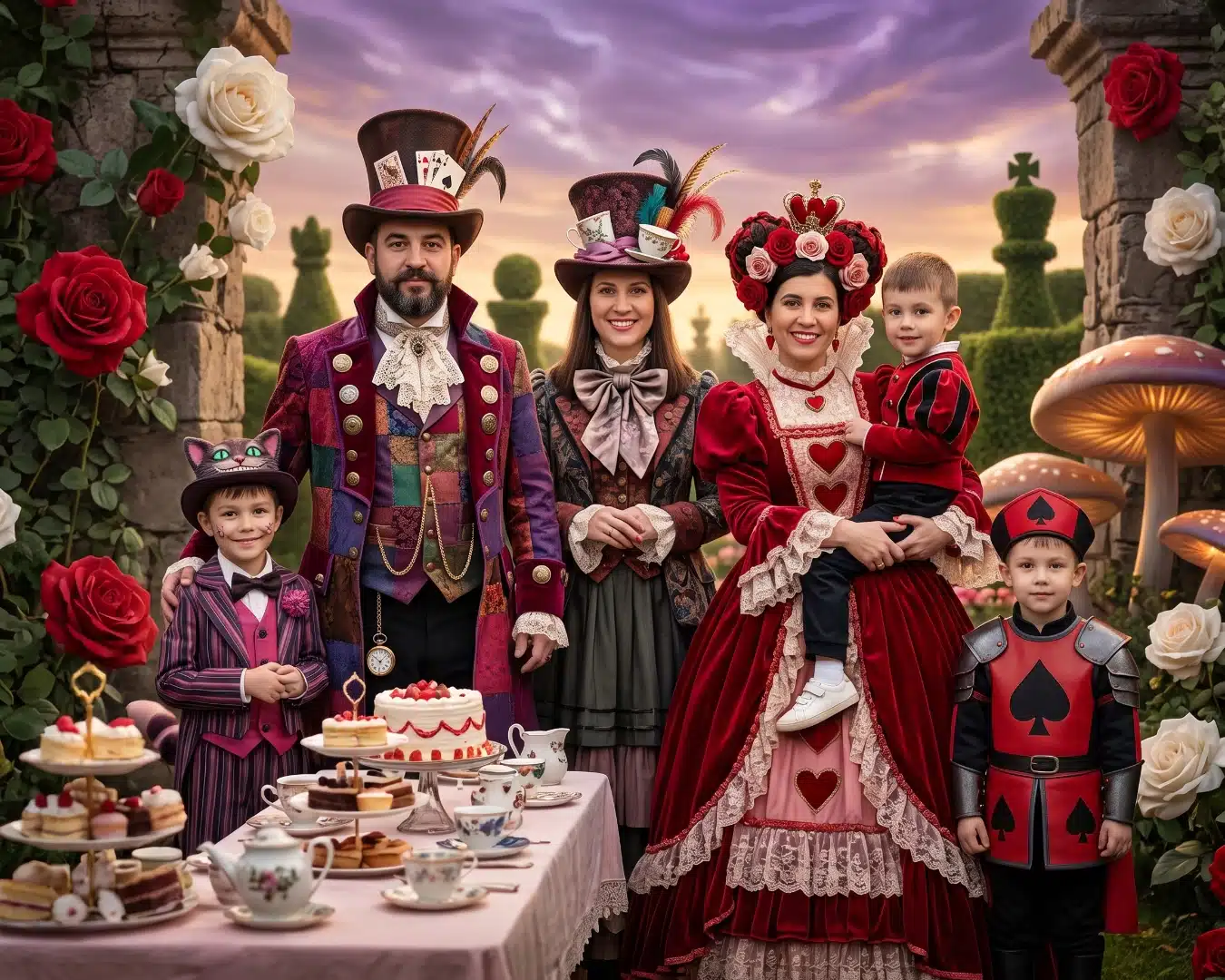
That wasn't the only fundraising work we ran. For years we handled photo booth and on-location portrait setups for community groups and local business owners raising for causes they cared about. Halloween photo fundraisers with kids in costume. Standard portrait shoots. On-location work with custom backgrounds matched to whatever the event needed. $5 flat per photo, straight to the cause. When the event called for more than a curtain, our $10,000 portable portrait system did virtual backgrounds. Astronauts got nebulas. Princesses got castles. Different formats. Same mechanic. It always worked.
The venues change. The playbook doesn't. The org collects at the door, guests walk in ready to have their picture taken, and our operators handle the throughput without breaking the flow. What's different now is what happens after the shot. Our booth was built by us, from the software up. Which means every dollar the booth collects can be tracked with your operator's payment reconciliation instead of a shoebox of receipts. And it means the booth can now charge guests differently depending on how your event is set up.
Throughput
You may have seen this attempted. Someone on the committee suggests hiring a photographer for the gala who can print on the spot and take donations. Sounds great in the meeting. Then the night comes. The line stalls an hour in. Guests give up waiting. The photographer gets flustered. By the end of the night the org has raised a fraction of what someone projected on a spreadsheet.
Every one-photographer, one-printer setup hits the same wall. The bottleneck isn't the camera. It's everything after the shot. The print. The email. The "can you text this to my sister please." Every guest, one at a time, in front of a growing line.
Faster line, more donations. That's basically the whole thesis.
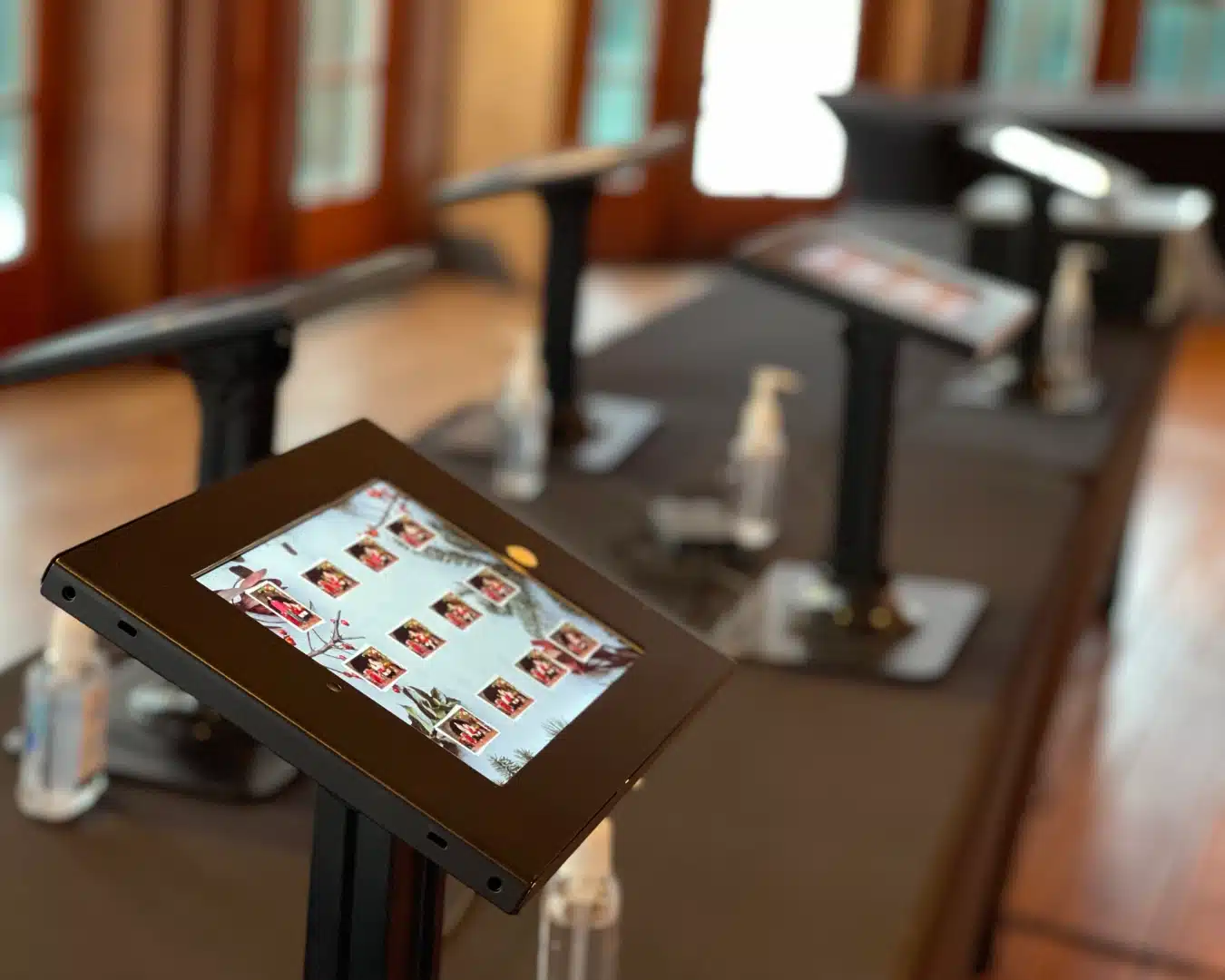
We built for actual event volume. Up to ten self-serve kiosks around the booth. Print, email, text, QR gallery — all in parallel. A guest takes their photo, walks two steps to an open kiosk, gets what they need in seconds. The next guest is already at the camera. Nobody waits on anyone.
This is why the Santa, Easter Bunny, and Halloween work matters. Those weren't casual booths at a friend's wedding. They were multi-hour operations with families lined up all day. A line stall would have killed the day's revenue. So we built for it. Kiosk count. Workflow. Operator staffing. All of it aimed at keeping the line moving. Your gala runs on the same setup.
If you've tried this before and it didn't work, this is why. It wasn't a bad idea. It was the wrong infrastructure. For the deeper breakdown of why commercial AI booths fail at scale, see our full three-way comparison of photo booth options.
How it works
Match the mechanic to how your event is already structured. Not the other way around.
Proven
Pre-Paid Entry
The mechanic we've run for years. Your org collects at the entrance. Guests enter with a wristband or ticket. Booth captures. Kiosks print and email. High-volume, high-throughput, high-margin — because the booth is the reason they came.
New capability
Staff Unlock
The kiosk holds the print after the guest approves. Guest walks to a payment table with a Square Reader and staff, pays, staff releases the print. Every dollar tracked with payment method, timestamp, and receipt. Clean accounting for the board.
New capability
Honor System · QR
The print comes out immediately. The kiosk shows a large QR code — your donation page, your suggested amount, your cause. Guests donate at their own pace: at the event, on the way out, or later from the receipt strip. Zero friction for the guest, zero enforcement.
New capability
Donation Intent
The booth adds one question to its flow: would you like to support our cause tonight, and at what level? Tap an amount, or type custom. Not a payment — an intent. Your development team follows up during the stewardship cycle. Captures pledges from guests you might not have asked directly.
Examples
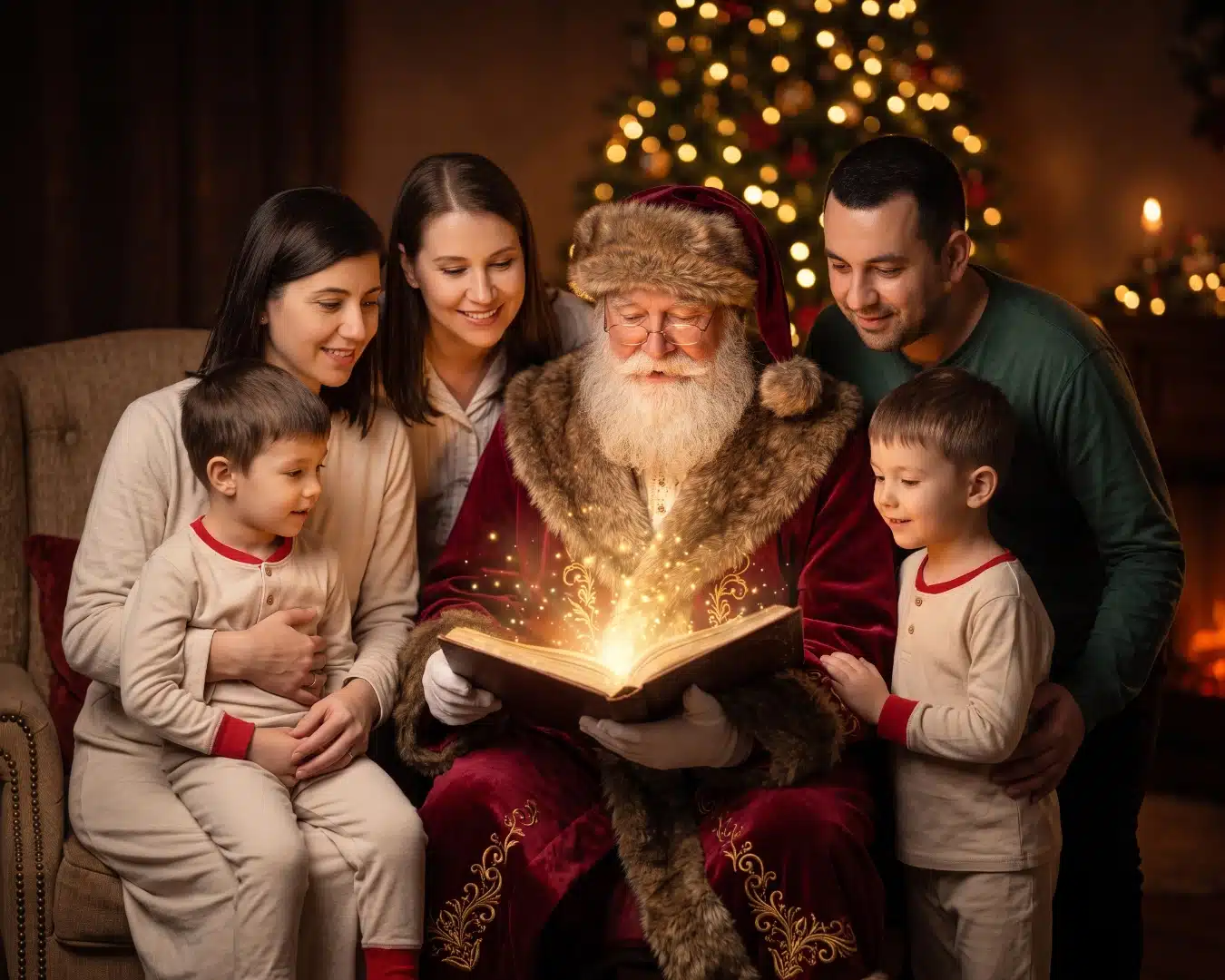
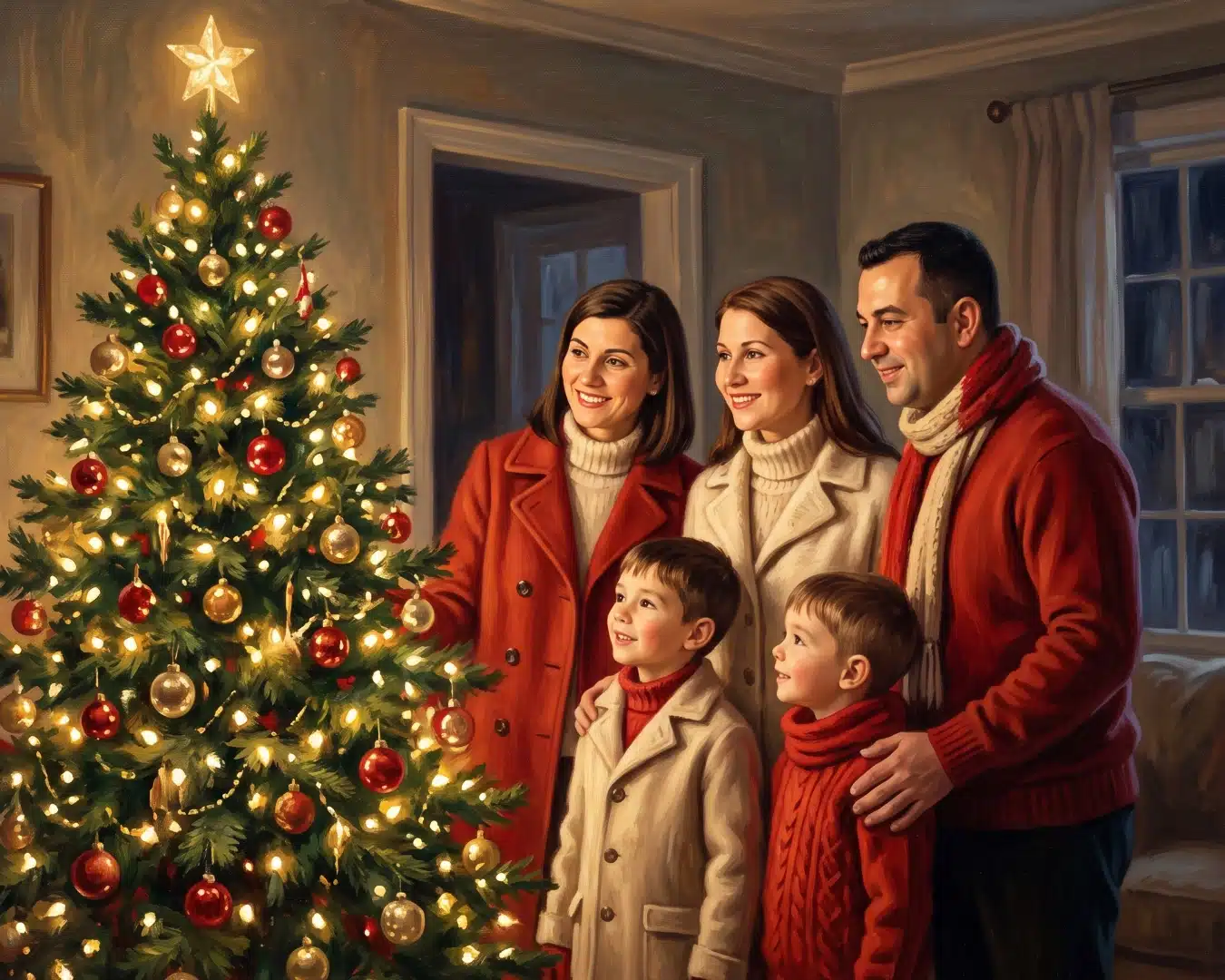
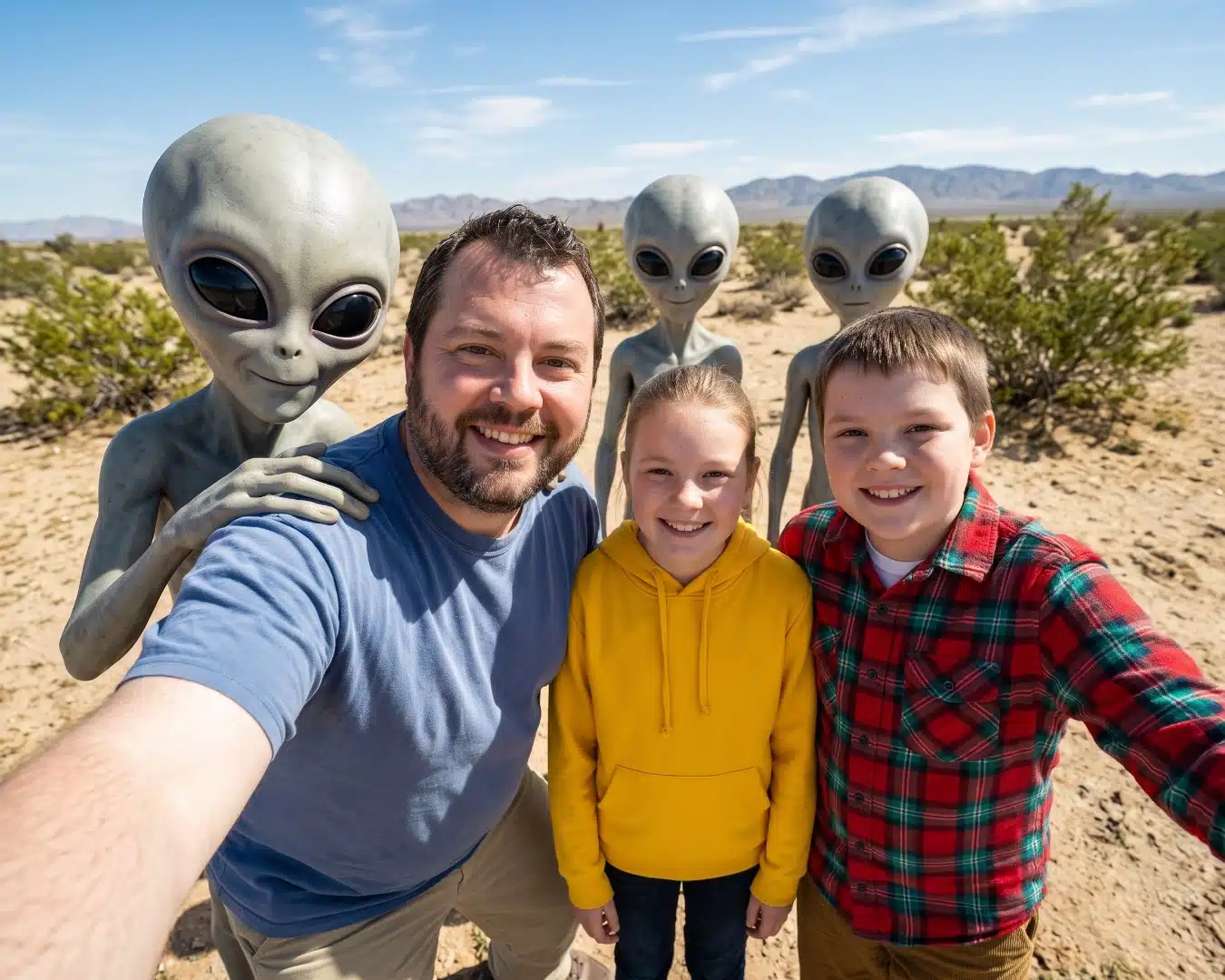
Every year, some occasion calls for a family photo. Families might be willing to donate more for images they can print and email to themselves.
Holiday season — offer these images, also perfect as a holiday card. Families donate more for something they'd print and email to themselves.
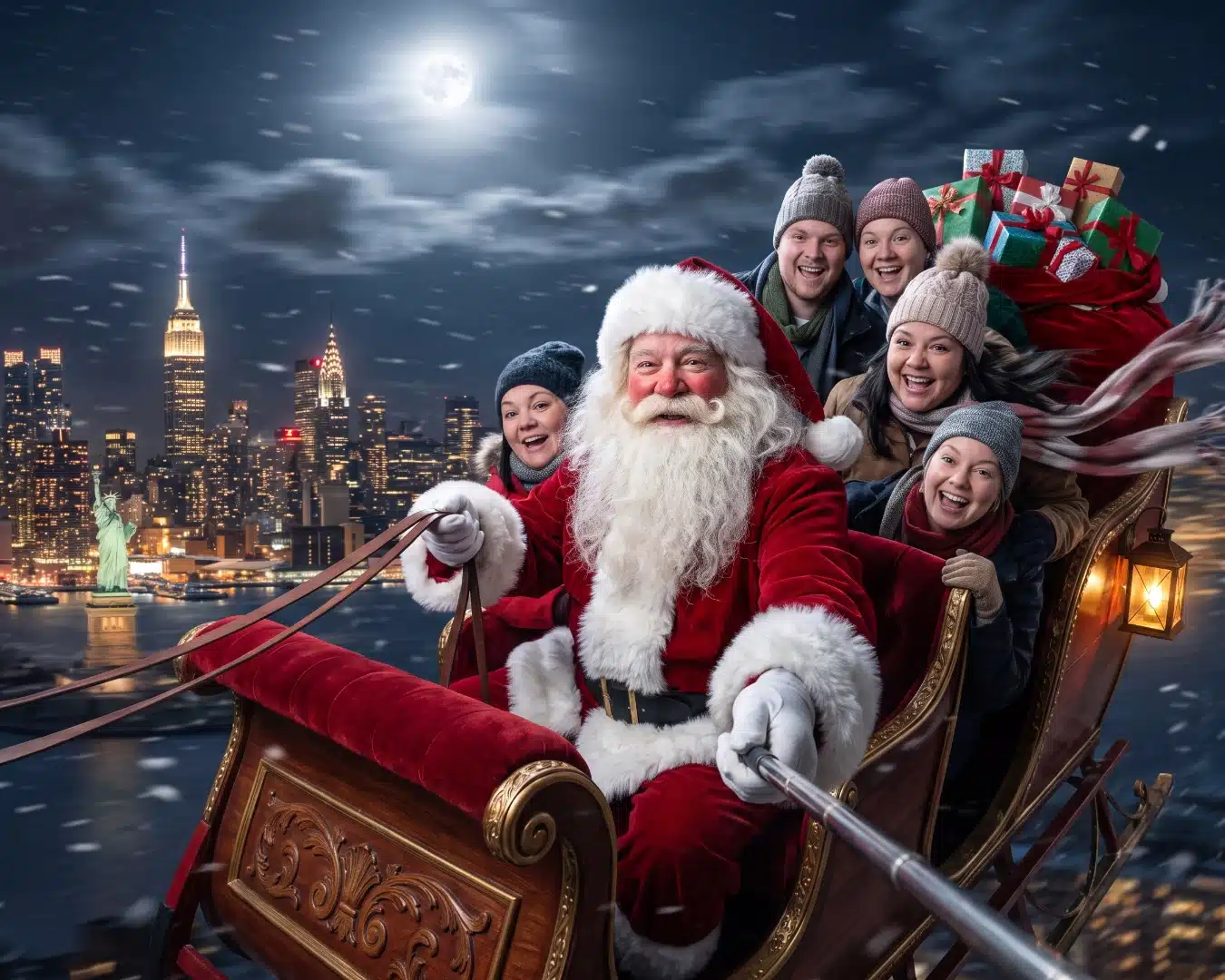
Halloween — costume portraits with themed backgrounds.
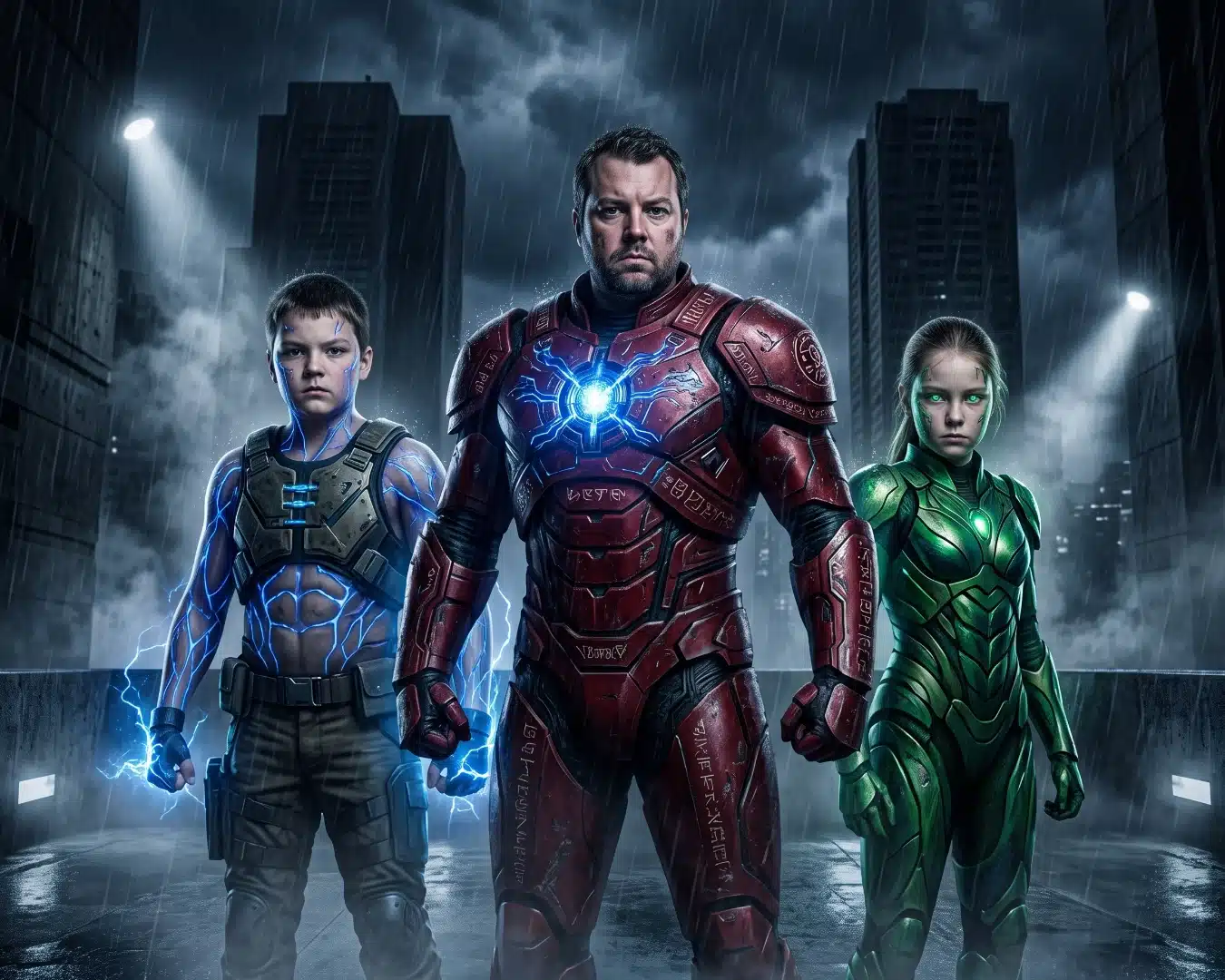
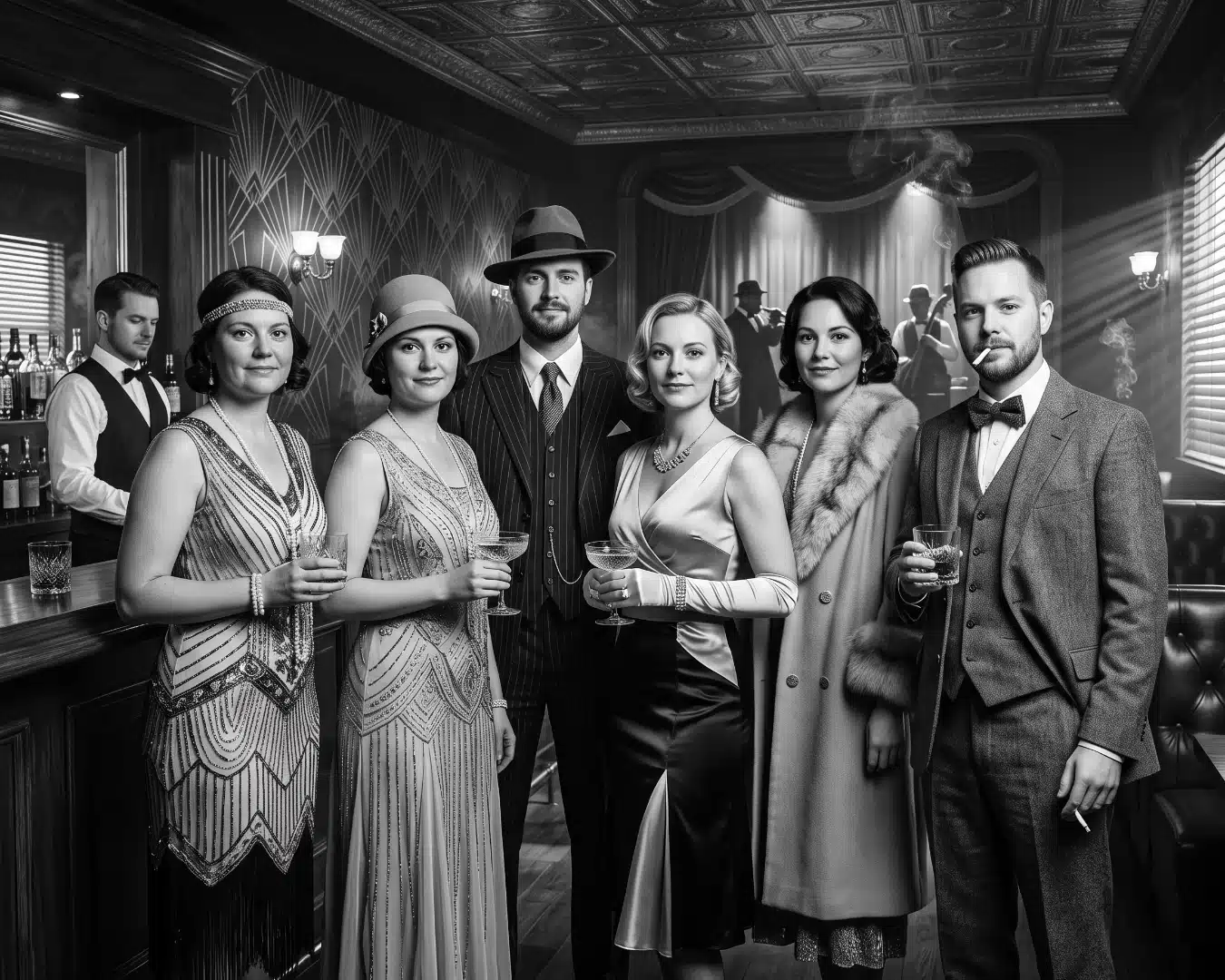
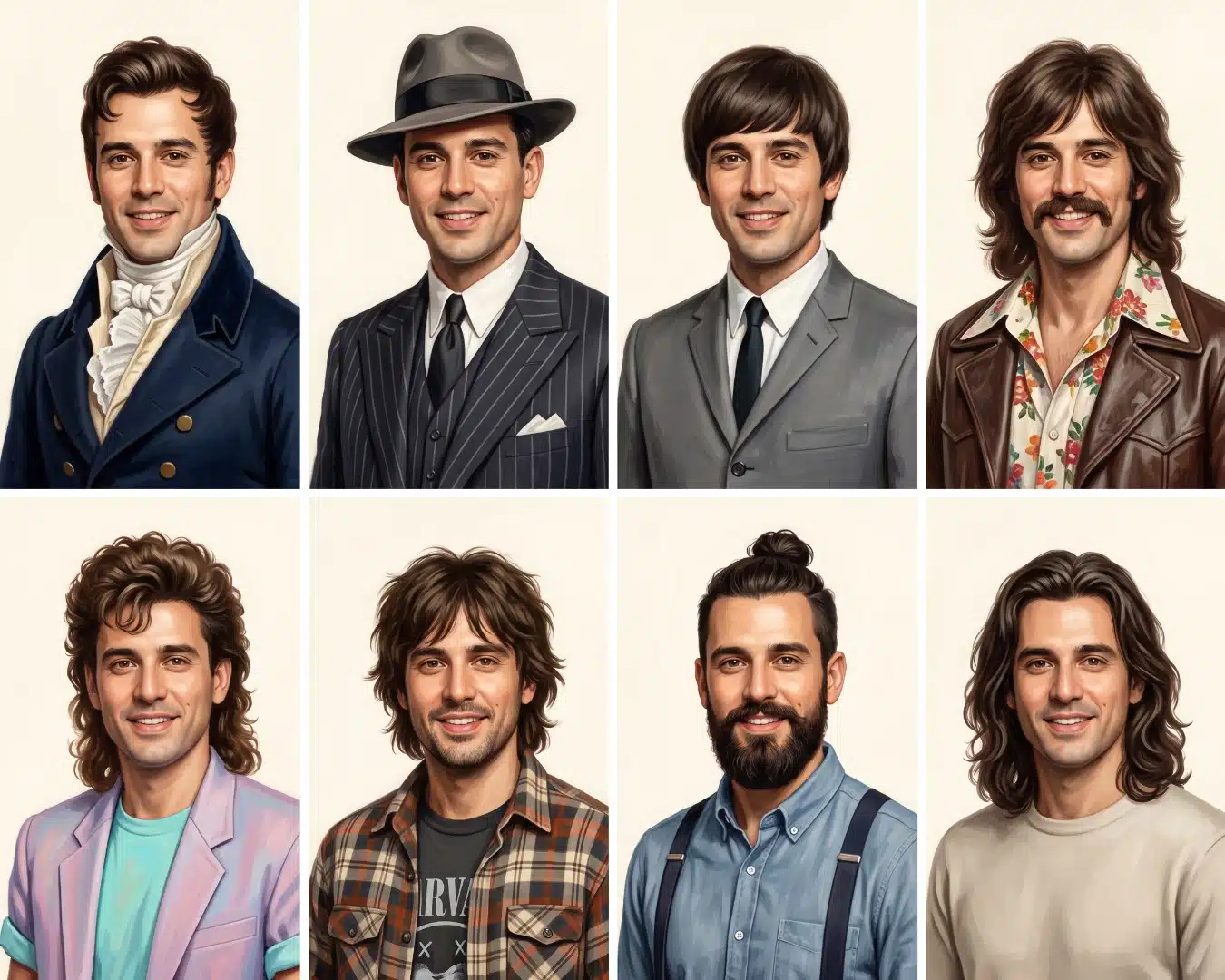
Community events — themed portraits matched to whatever the cause is.

For the board
The booth's end-of-night report shows gross fundraising revenue, print count, and revenue per print. It's a shareable summary you can hand your executive director or your board's development committee as a stand-alone accounting document. Not photos. The revenue receipt.
If your event uses Pre-Paid Entry, that number is your entrance revenue reconciled against our print count. If it uses Staff Unlock, it's the total collected at the payment table — Square and cash both logged per transaction. Either way, you leave the venue knowing exactly what the booth raised, without waiting for a Monday reconciliation.
The companion app
Giving Toolbox is one iPhone app that replaces 5+ platforms nonprofits already use — GiveButter, Zeffy, Eventbrite, Expensify, and more. Events, ticketing, silent auction, paddle raise, crowdfunding, peer-to-peer, expense capture with AI receipt scanning, grants, donor CRM. Free on iOS.
Stack it with the film
The nonprofits we work with book us for two things at their gala: the case-for-support film that primes the room before the ask, and — increasingly — the fundraising photo booth that raises revenue all night. Same relationship. Same production team. Same event. Story Stacking lets the shoot double: the film for the gala, social clips for stewardship for the rest of the year.
If we're already talking about your gala film, adding the booth is a conversation. If we haven't talked about the film yet, that's a good place to start.
Book a call
20 minutes. Tell us what your event looks like — the room, the schedule, the ask, the guest count — and we'll walk you through the math for your specific room, honestly. If a fundraising booth doesn't fit your event size or model, we'll say so.
A service of Nimble Dragon Studios · 518 Broadway, Suite 1, Monticello, NY 12701 · 845-796-9716 · info@nimbledragonstudios.com